
Doom Spending: The Psychology of Revenge Shopping
Why economic anxiety makes you spend more, not less. The neuroscience of doom spending, how it differs from retail therapy, and how to break the cycle.
Why economic anxiety makes you spend more, not less. The neuroscience of doom spending, how it differs from retail therapy, and how to break the cycle.
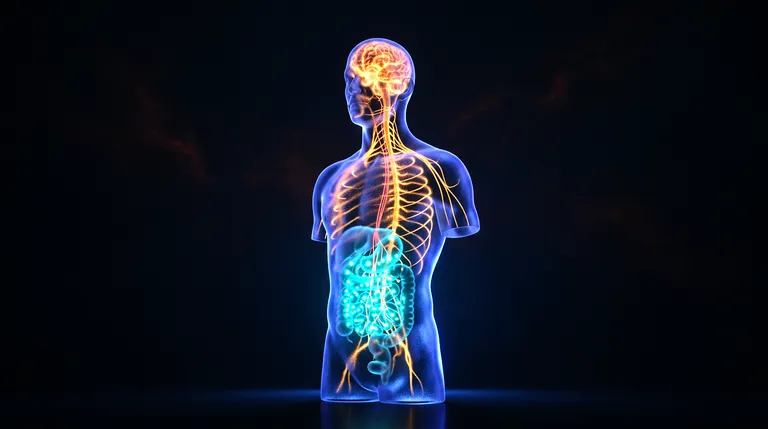
Your gut produces 90% of your serotonin and talks directly to your brain. New research reveals how stress destroys this connection and what you can do about it.
New research reveals procrastination is 63% heritable, linked to your amygdala size, and scientists can now zap it away with brain stimulation. Here is what your genes have to do with putting things off.
Neuroscience reveals that chronic loneliness reduces brain volume in areas controlling memory, emotions, and decision making. Here is what the research shows and what you can do.

A massive study of 14,170 people found that exercise reduces depression more than medication. Here's what works, why it works, and how to start.

A major Nature Medicine study found that social media use during political protests significantly increases depression. Here's why doomscrolling political news is rewiring your brain for anxiety.
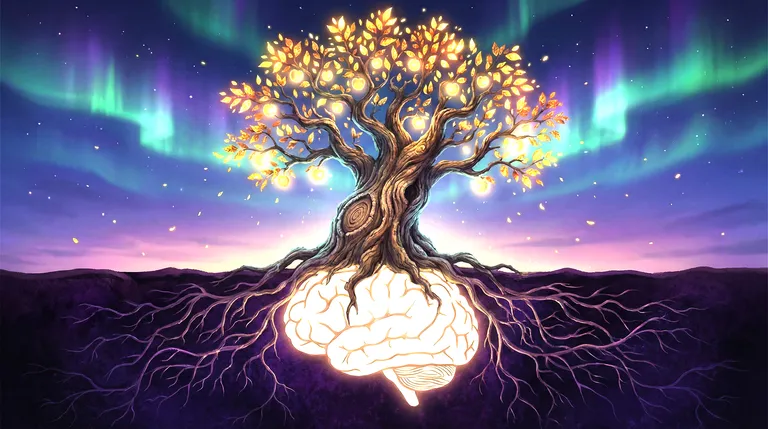
Your brain shrinks every year after 40. But research shows older adults are happier, wiser, and better at managing emotions. Here's the surprising neuroscience behind the aging brain's hidden advantages.
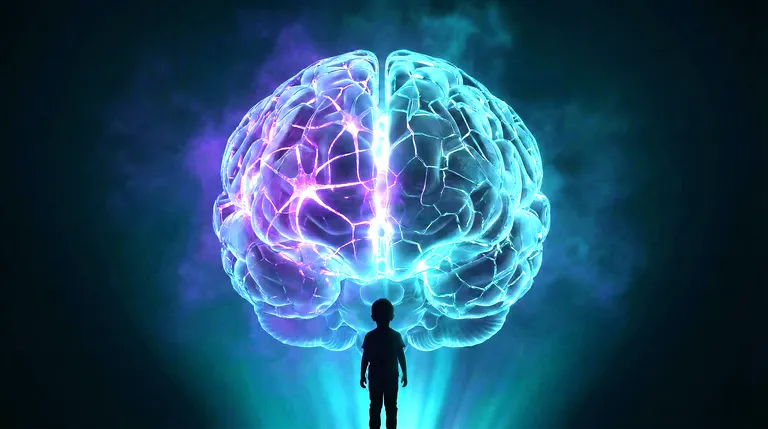
Childhood trauma physically changes your brain's structure and chemistry. Learn how the amygdala, prefrontal cortex, and hippocampus are affected, and what neuroscience says about rewiring your brain for recovery.
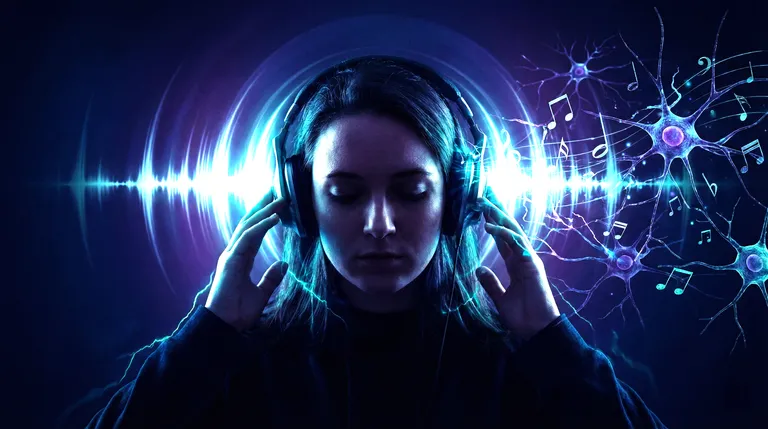
Ever felt goosebumps from a song? Science calls it frisson. Learn why music gives you chills, what it says about your brain wiring, and why only half of people experience it.
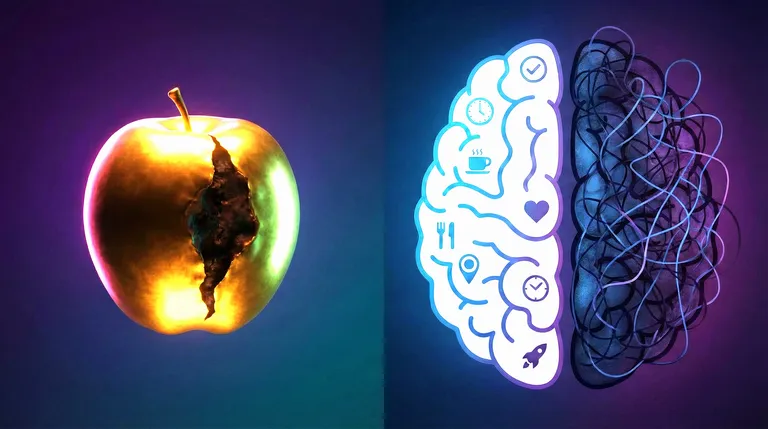
You track your steps, journal every morning, and never miss a workout. But some of your healthiest habits might be quietly making you miserable. Here's what psychology says about when good habits go wrong.
You can't stop emotions from showing up. But you can change what happens next. Here's the science of emotion regulation and the tools that actually work.